How Horizon West Residents Can Prepare for a Rare Cold Snap
Energy-Saving Tips, Home Prep Advice and Pool Protection Guidance as Record-low Temperatures Arrive

Central Florida residents are preparing for unusually cold weather this weekend, with forecasters predicting record-low temperatures across the region. While Floridians may not be used to extended cold, a few simple steps can help keep homes comfortable, energy bills in check and pipes protected.
How to Save Energy and Stay Warm
Florida Power and Light Co. reminds customers that heating uses two to three times more energy than cooling, making small adjustments especially important during cold snaps.
Set your thermostat at the lowest temperature that is still comfortable for your household. FPL notes that for every degree below 68, customers can save up to 5 percent on heating costs. Avoid raising the thermostat more than two degrees at a time, which can activate auxiliary heating and add up to $15 per day* if used for extended periods.
Instead of heating the entire house, focus on the rooms you are using. Space heaters can help, but they should be used safely, turned off when you leave the room and kept away from furniture, drapes, children and pets. Electric blankets are another energy-efficient option for added warmth.
Ceiling fans can also help. Reversing the fan direction pushes warm air back down into the room. Just remember to turn fans off when the room is empty.
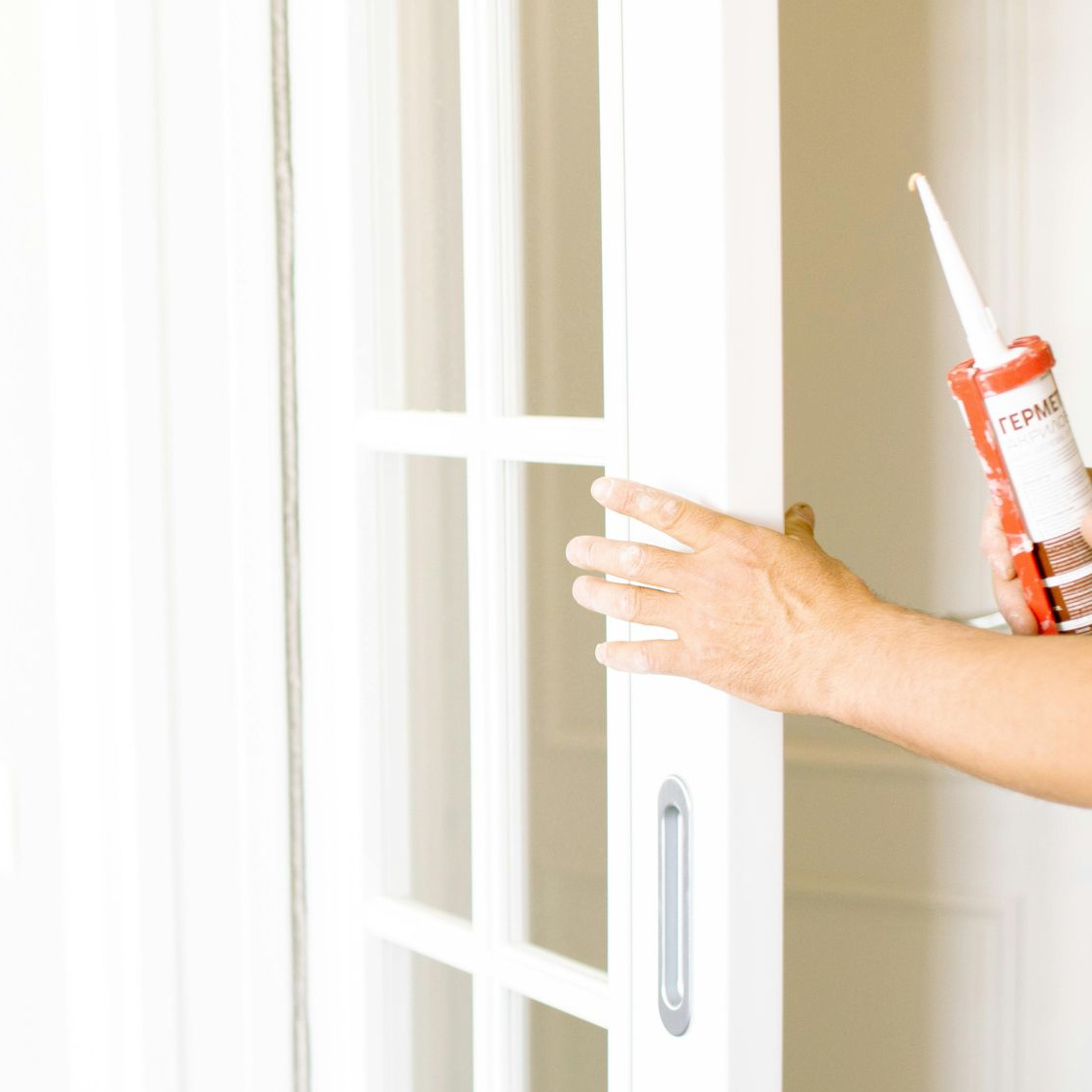
Sealing doors and windows with weatherstripping or caulk helps keep warm air inside. Homeowners with fireplaces should make sure the damper is closed when the fireplace is not in use, as an open damper allows heat to escape.
“Florida winters can be unpredictable, and even a few cold nights in a row can increase energy usage,” said J.T. Young, FPL vice president and general manager. “Planning ahead and making small adjustments at home can help customers keep their bills as low as possible all season long.”
More energy-saving tools and resources are available at FPL.com/WaystoSave.
*Based on 7.5 kW strip heat running 12–16 hours a day.
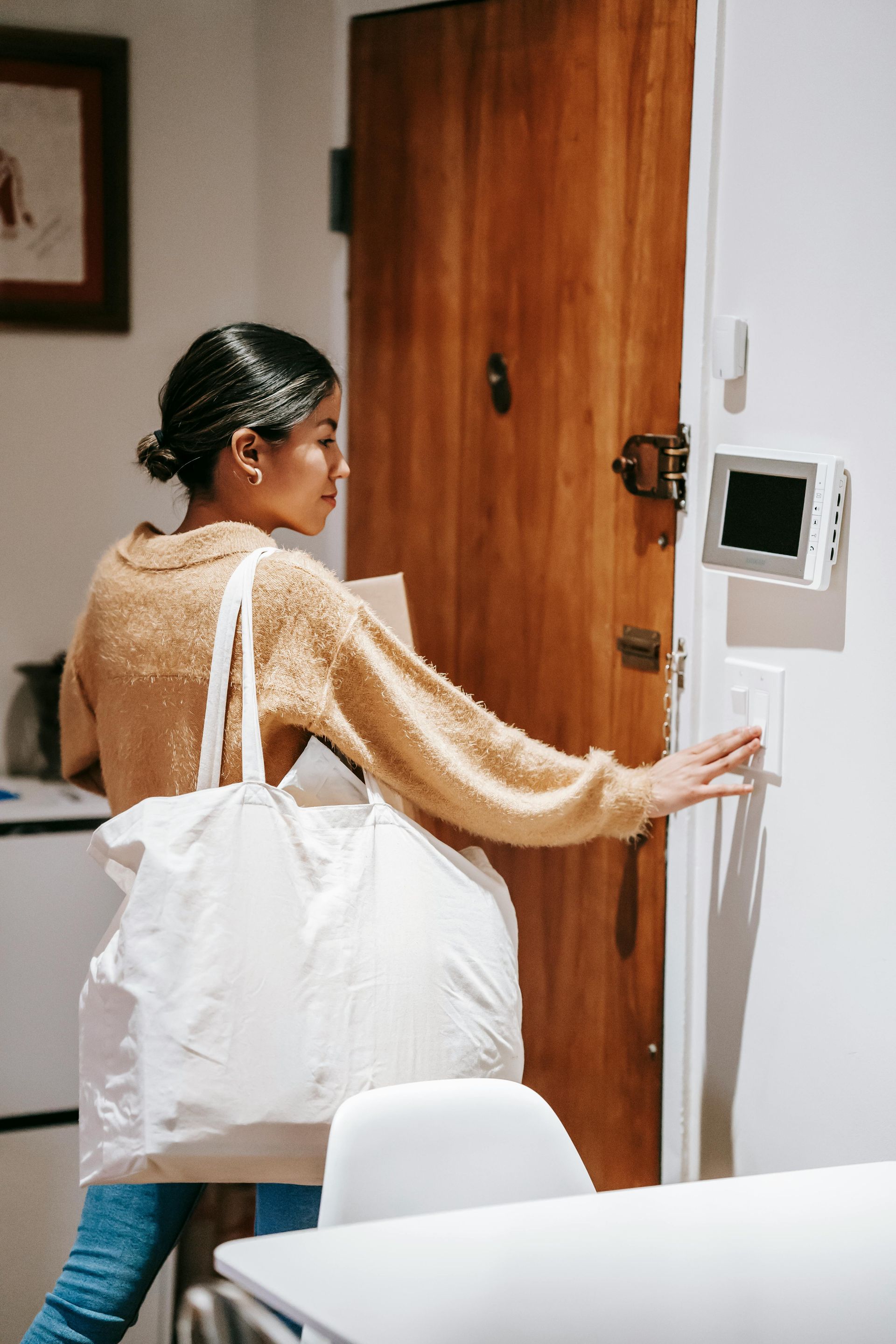
A Handyman’s Tips for Protecting Your Home
Local handyman Frank Cartwright of Central Florida Handyman recommends residents take simple steps to protect plumbing during freezing temperatures.
He suggests purchasing outdoor faucet covers from a local hardware store to help insulate exposed spigots. When it comes to dripping pipes, Cartwright advises moderation.
“Not a drip, but a small trickle of flowing water,” Cartwright said. “If the water moves faster, it likely will not freeze. If it just drops, it will freeze. But that’s only going to happen if the underground temperature reaches below freezing.”

Don't Forget Your Plants
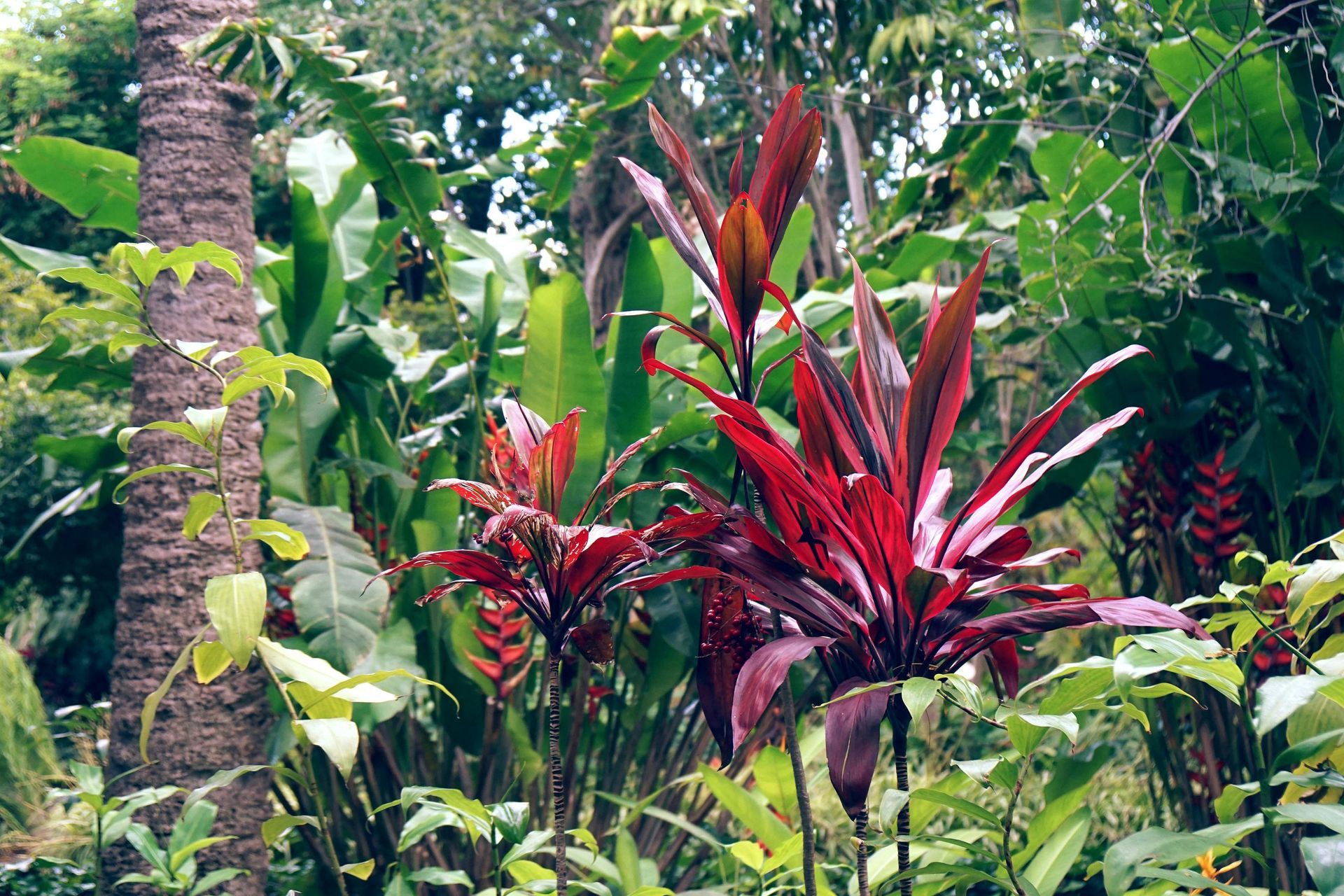
Florida homeowners often favor a tropical look in their landscaping. While tropical and subtropical plants generally do well in Florida, they require protection during periods of unusually cold temperatures and freezes.
The University of Florida’s Institute of Food and Agricultural Sciences Extension office in Gainesville recommends moving potted plants to warmer areas or protected structures. Containers that must remain outdoors should be mulched and grouped together before a freeze to reduce heat loss from container sidewalls. Fruit trees can be protected by insulating trunks with commercial tree wraps or one- to two-foot mounds of soil.
Other plants can be covered with a drape that extends to the ground to trap radiant heat. Covers may need to be anchored with rocks, bricks or soil if it is windy. The covering should not rest on foliage, which may be injured by contact. Frost cloth, bed sheets, quilts or black plastic can be used as drapes.
IFAS Extension says gallon milk or water jugs can be used to protect small plants by simply cutting the flat bottom off and placing them over the plants. Valuable plants can also be protected with temporary greenhouses constructed of framing and plastic sheets. Adding a light bulb or a string of Christmas lights under a cover is a simple method of providing heat to plants in the landscape. Remove or ventilate plastic covers during a sunny day.
Watering ahead of a freeze can help soil retain heat, but in-ground irrigation systems should be turned off before freezing temperatures occur.
To learn more, visit UF/IFAS' page on
cold protection for landscape plants.
Pool Owners Should Take Precautions Too
Pinch-A-Penny pool stores remind pool owners that cold weather can also affect pool equipment. Running the pool pump continuously when temperatures are near or below freezing helps keep water moving, which reduces the risk of freezing. Pool heaters do not need to run during cold snaps.
Aerators and slide lines should be disconnected, while booster pumps for pool cleaners do not need to operate continuously. Water feature pumps should remain running with valves open. As an alternative, homeowners can cover and drain pumps and exposed pipes.


With a little preparation, Central Florida residents can stay warm, protect their homes and avoid unnecessary energy costs during this rare winter chill.
Share This Story...